

Fight the bite! Protecting Against Mosquito Bites
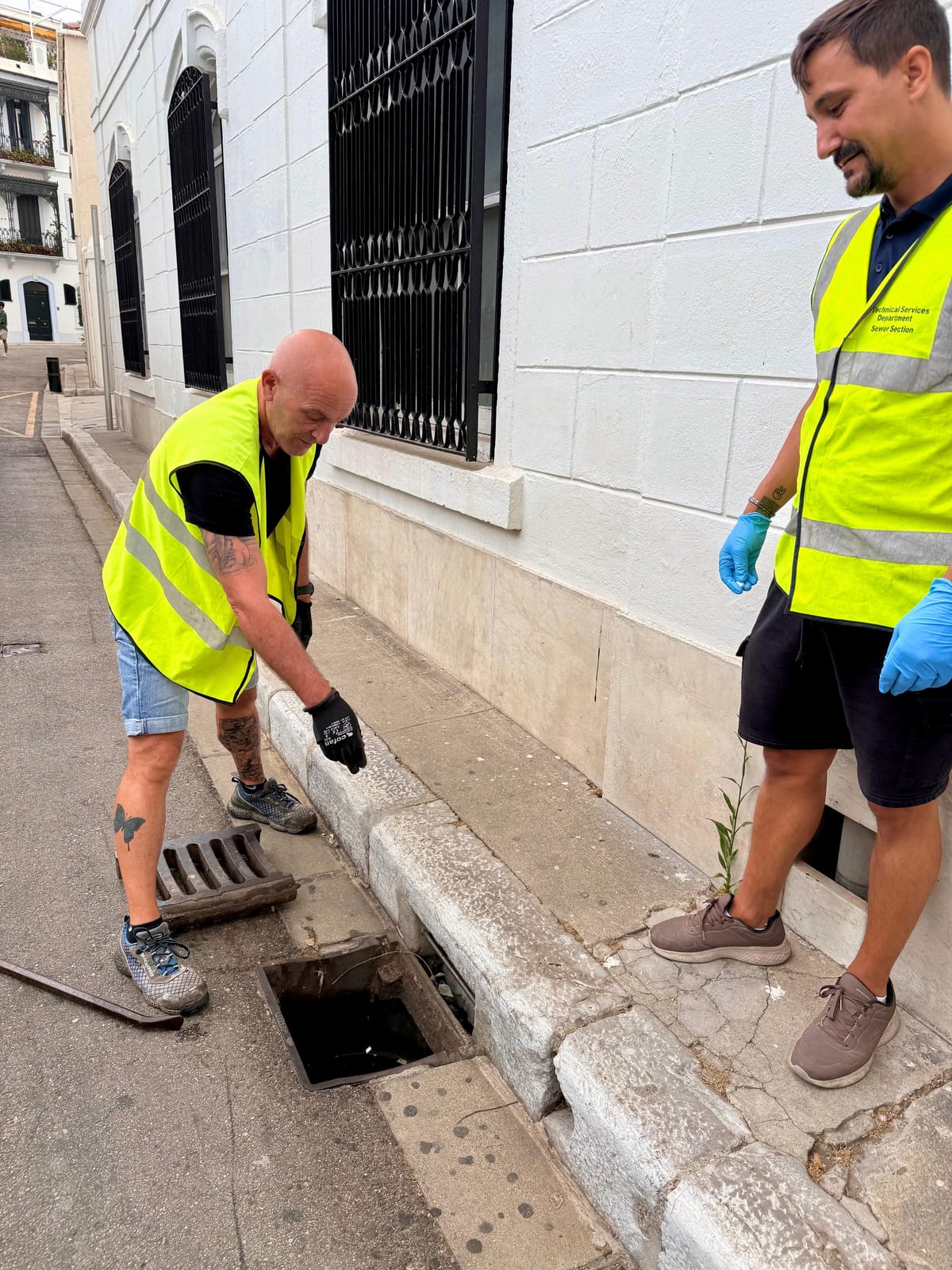
The Environmental Agency and Public Health Gibraltar are issuing its annual seasonal advisory on mosquito bite prevention and announcing the launch of a new larvicidal treatment programme delivered jointly with the Technical Services Department.
Mosquito activity increases during the warmer months, and while most species present locally are nuisance-biters, they can still cause discomfort and secondary infections. This year’s advisory highlights practical steps the public can take to reduce bites and the enhanced operational measures being implemented by the Agency.
Two mosquito species are most encountered in Gibraltar:
• Culex pipiens — primarily active during the evening and nighttime. These mosquitoes do not transmit serious diseases in Gibraltar but can cause painful swelling, particularly in sensitive individuals.
• Aedes albopictus (Asian Tiger Mosquito) — a daytime biter that has established itself locally. This species is aggressive and can cause notable irritation. While Aedes albopictus is a competent vector for several diseases in other regions, Gibraltar’s ecological conditions and surveillance data indicate a low risk of local transmission.
This summer, the Environmental Agency has introduced targeted larvicidal treatments across storm drains and other priority habitats where mosquitoes are known to breed. These treatments are being carried out in conjunction with the Technical Services Department, integrated directly into their scheduled drain-maintenance operations.
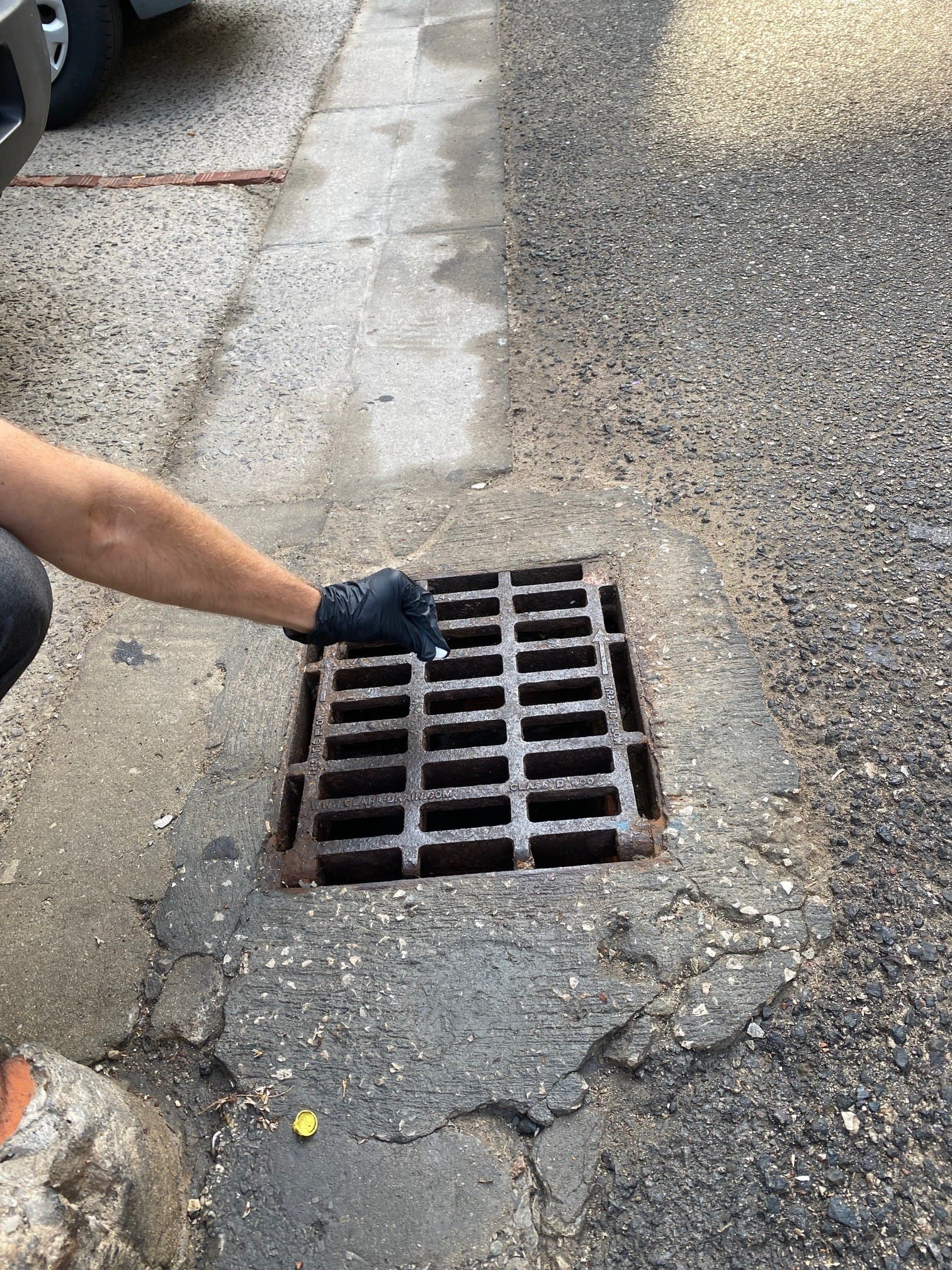
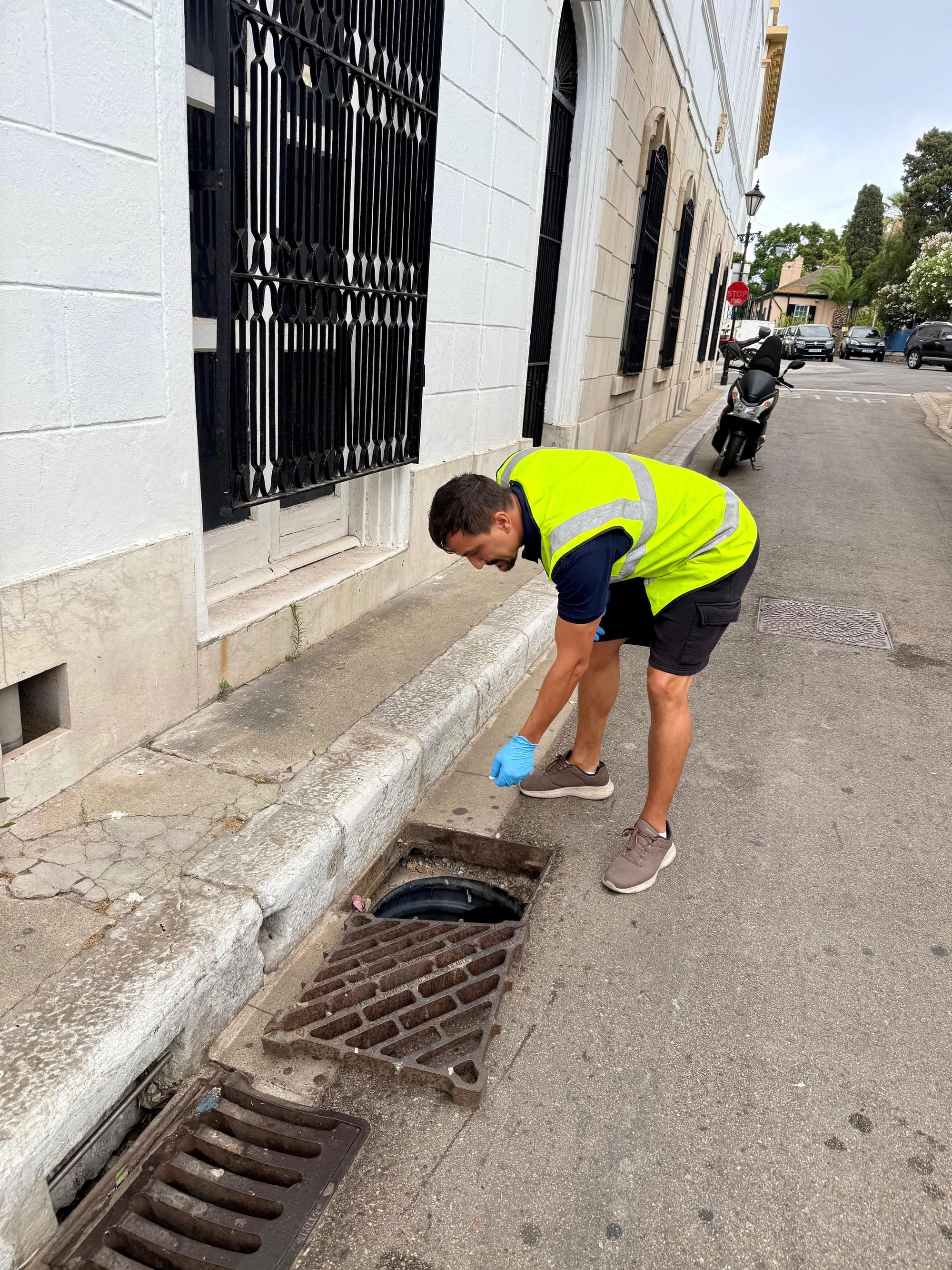
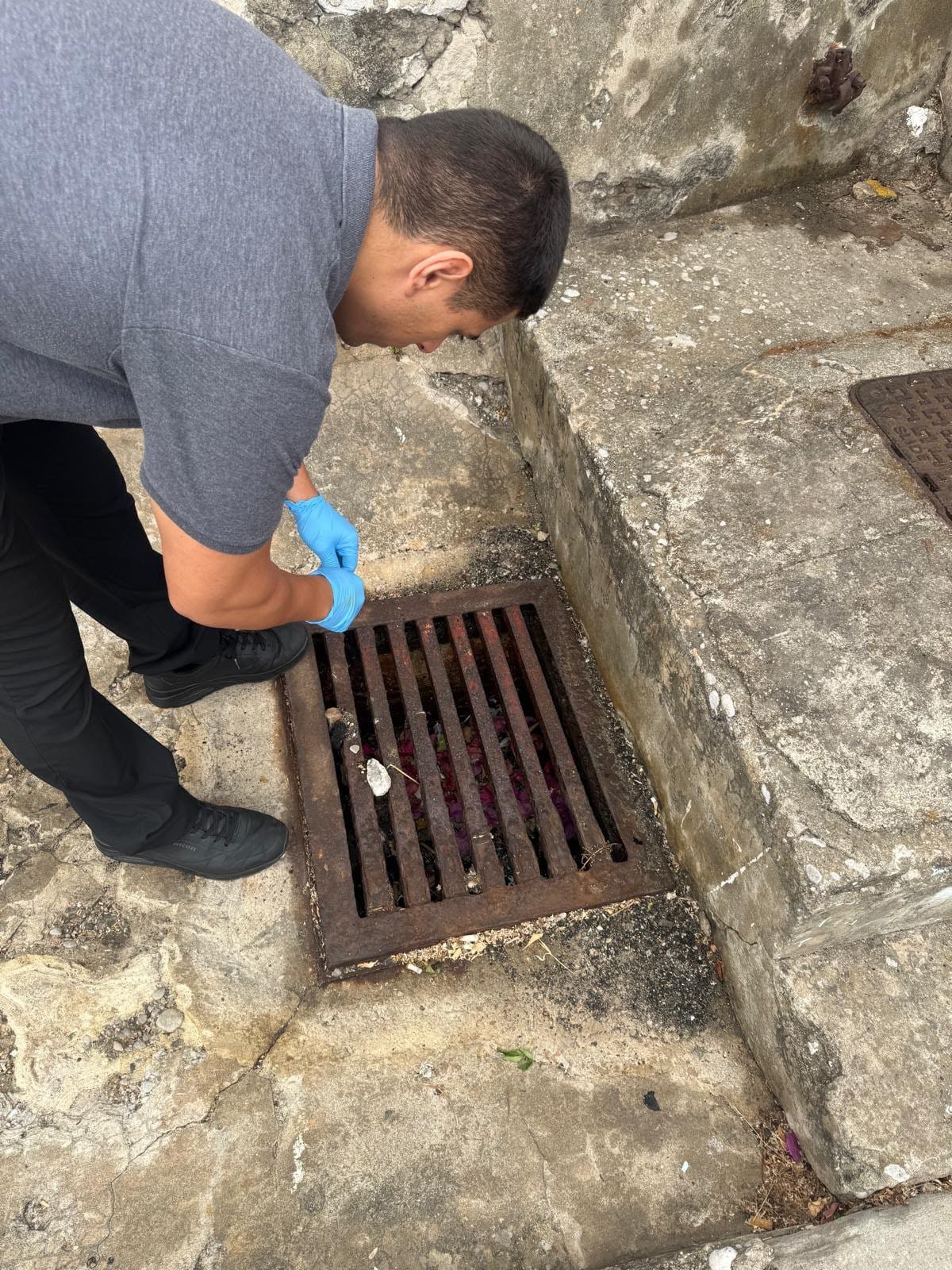
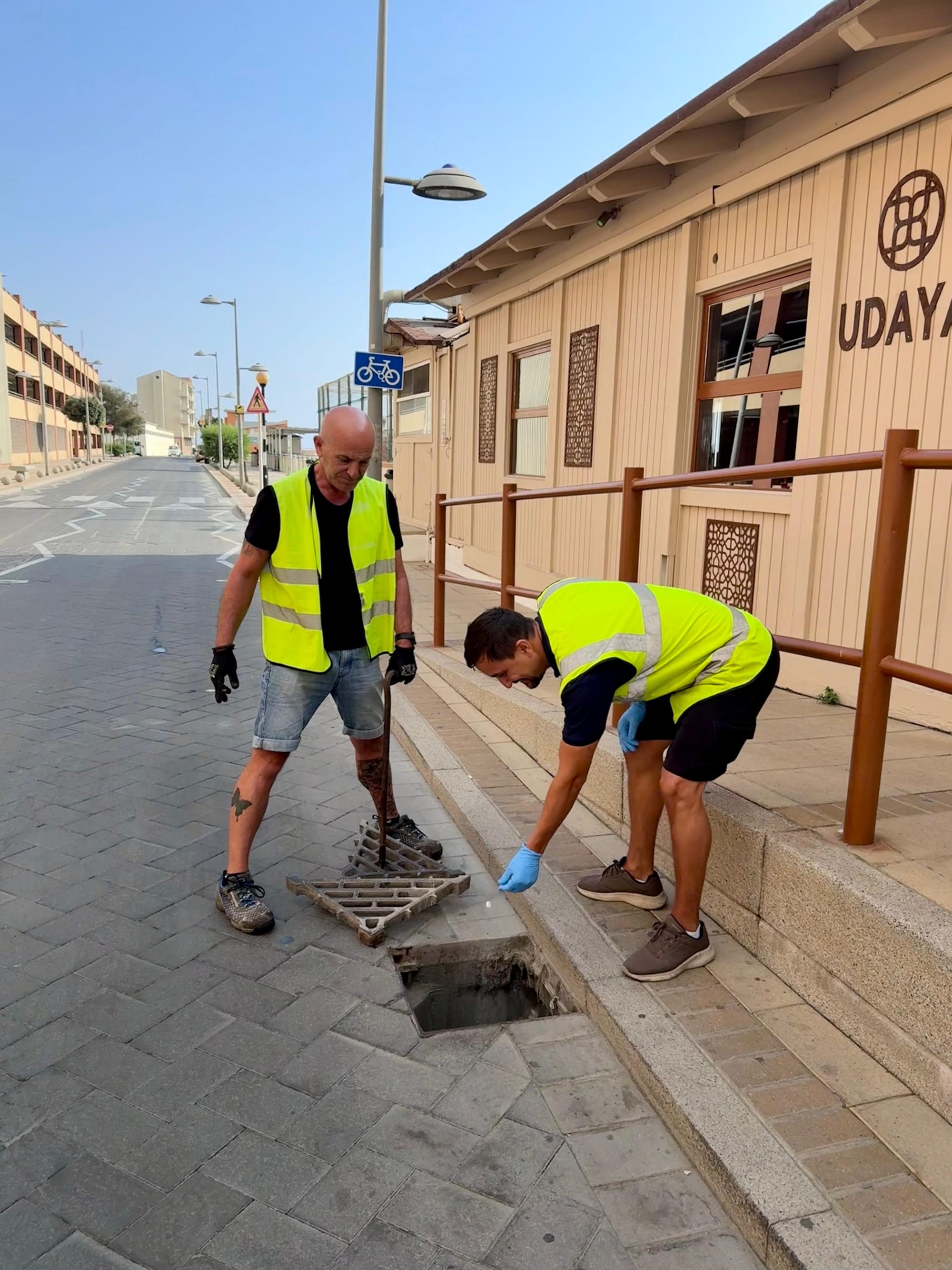
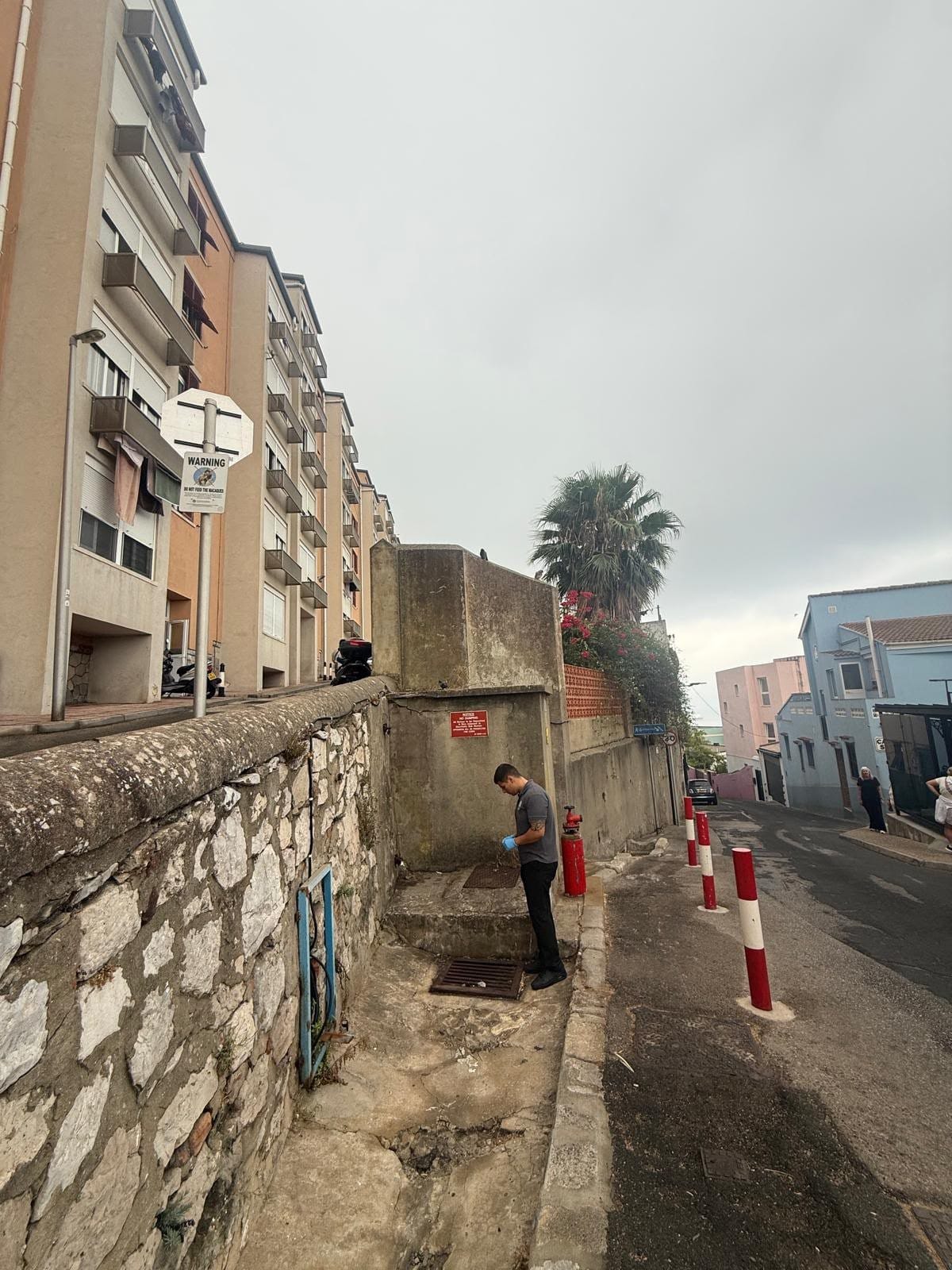
The programme includes the use of environmentally-approved larvicides, mapping of breeding sites, coordinated access to infrastructure, and monitoring to assess effectiveness. This collaborative approach reduces mosquito populations at source and lowers nuisance biting.
The ongoing surveys carried out by the Environmental Agency in partnership with Wildlife Gibraltar and entomologists from the UK Health Security Agency conclude that Gibraltar continues to present a low risk for West Nile virus. Local environmental conditions do not support the mosquito species involved in sustained transmission. However, with West Nile virus activity reported in parts of neighbouring Spain, those visiting wetlands, marshes, or other nature areas in Spain this summer should take extra precautions to avoid mosquito bites.
The Environmental Agency and Public Health Gibraltar encourage the public to take simple, effective steps to reduce mosquito bites:
• Use repellents containing at least 20% DEET and apply to exposed skin.
• Wear long sleeves, trousers and socks during peak biting times.
• Install or repair window screens to prevent mosquitoes entering homes.
• Remove standing water from containers and outdoor areas.
• Keep gutters and drains clear of debris.
Those travelling to mosquito-prone regions should apply repellent regularly, consider avoiding dawn and dusk in wetland areas and seek medical advice if they develop symptoms within three weeks of returning.
The Environmental Agency and Public Health Gibraltar continue to monitor mosquito activity and regional developments closely.